
WELCOME TO SAGAMORE HILLS ANIMAL HOSPITAL, INC.
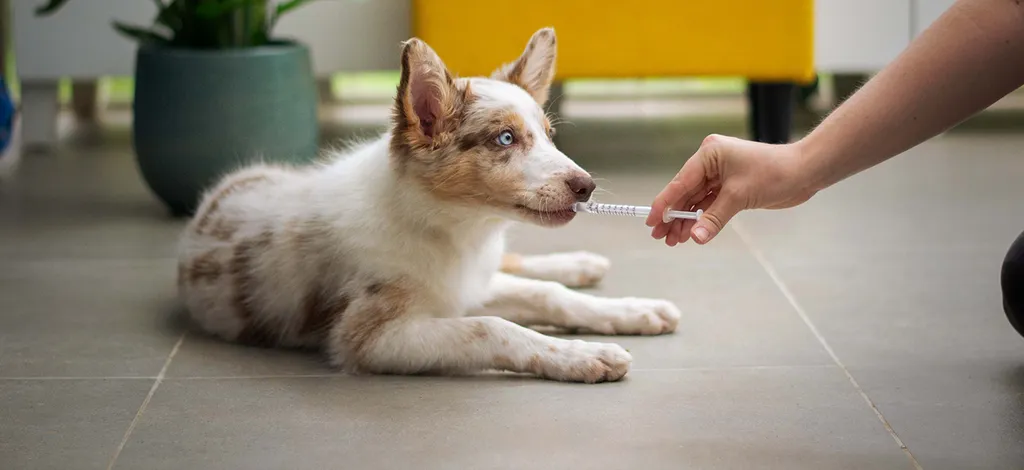
The Sagamore Hills Animal Hospital offers a wide range of veterinary services for your pet cat or dog. Our clinic's services span your pet’s life, beginning with neonatal care, moving through adolescent care, surgical neutering, active adulthood, and senescence to end of life care, when we provide geriatric therapy, palliative care, and euthanasia services.
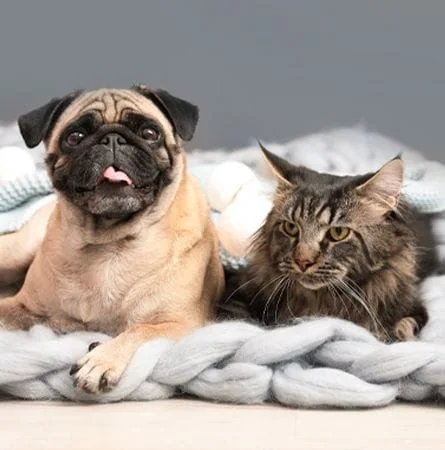
We know that your pet is truly a member of your family, and we treat each pet as such. Because we value our patients, we are selective in choosing our employees, and this is reflected in the quality of service we provide. We are proactive and pro-pet in our thoughts and actions, and we provide treatment and counseling for each individual pet within the framework of humane care. Please contact us to schedule an appointment for your pet and, if desired, a tour of our facility.
Animal Hospital Services
Our veterinarians, vet techs, and staff treat your pet as one of their own. We always use compassionate, respectful handling. Our full line of veterinarian services includes the following:
- Behavioral care
- Dental care
- Digital radiology
- Electrocardiography
- Emergency care
- Euthanasia
- Geriatric therapy
- Hospitalization
- Intensive care
- Internal medicine
- Microchipping
- Animo GPS collar tags
- Nutritional counseling and Nutraceuticals
- Online pharmacy
- Palliative care
- Parasite prevention
- Surgery
- Urgent care
- Vaccinations
If you seek vet care that is not listed above, please contact us. Pet care includes ongoing nutrition and problem prevention. Care for your pets by maintaining toxin-free areas for your pets. Read the rest of our website to learn more about how to care for your dogs and cats.
Call Us for Vet Care
We treat pets from all over the Greater Cleveland and Akron, OH areas. Our pet family members live in neighborhoods all over the area, including Sagamore Hills, Brecksville, Hudson, Macedonia, Twinsburg, Northfield, and Walton Hills. We strive to make our animal hospital comfortable for your pets. You can connect with us by emailing or by calling (330) 468-2900.
Meet The Team
-
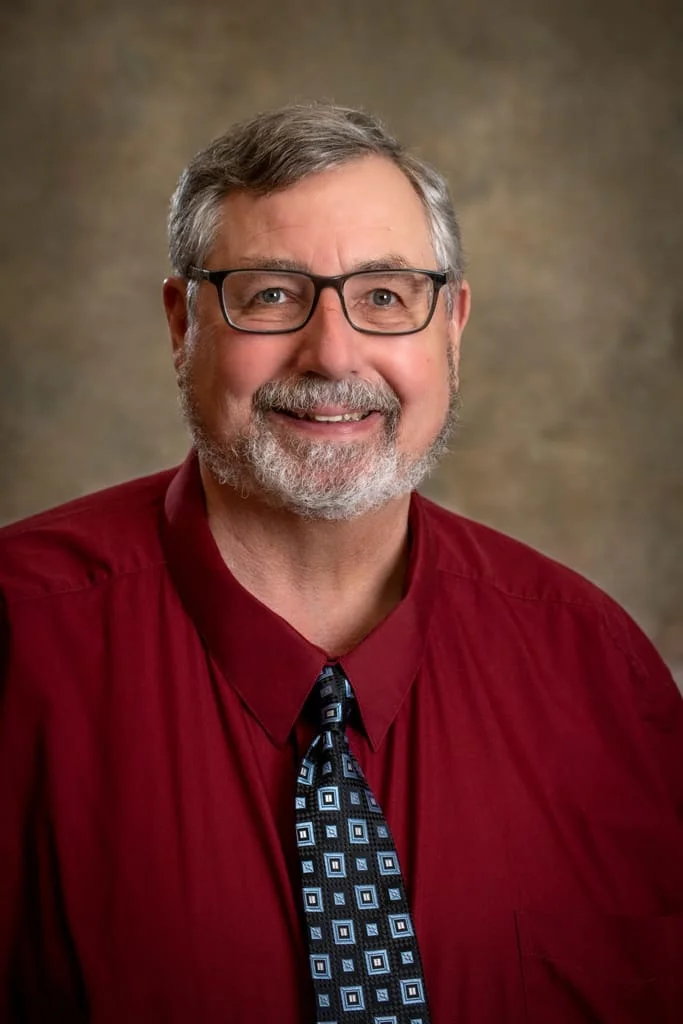 Dr. Mark S. Hennis
Mark S. Hennis, D.V.M. is the President of the Sagamore Hills Animal Hospital, Inc. (SHAH) and a staff veterinarian. He attended the Berea City School District through his junior year in high school then graduated from the East Holmes School District in rural Holmes County, Ohio in 1974. He attended Baldwin-Wallace College earning a B.S. in Biology with minors in chemistry and history. He graduated magna cum laude in 1978 with two distinguished awards, the Freshman Chemistry Prize and the Ruesegger Biology Award. He attended The Ohio State University College of Veterinary Medicine for four years, graduating cum laude in 1981.
Dr. and Mrs. Hennis met at Baldwin-Wallace College and dated for many years before marrying in 1981. They moved to New Hampshire in 1981 for one year where Dr. Hennis was employed by the Exeter Veterinary Hospital, Inc. Upon their return to Ohio, they started a small animal practice in their home. This practice matured into SHAH in 1989. They have one son, Richard Scott Hennis, born in 1984 who has been involved with the practice since learning to walk. They have the privilege of being the keepers one mischievous cat named Tyler.
Annette and Mark Hennis enjoy photography and traveling. They have visited and explored all 50 states and 2/3rd of the Canadian provinces.
Dr. Hennis is a member of the Cornell Feline Health Center (FHC), the Ohio Veterinary Medical Association (OVMA), the American Veterinary Medical Association (AVMA) and Phi Zeta, a veterinary honor society. Dr. Hennis is accredited by the U.S.D.A. to issue interstate and international health certificates for the transportation of pets.
-
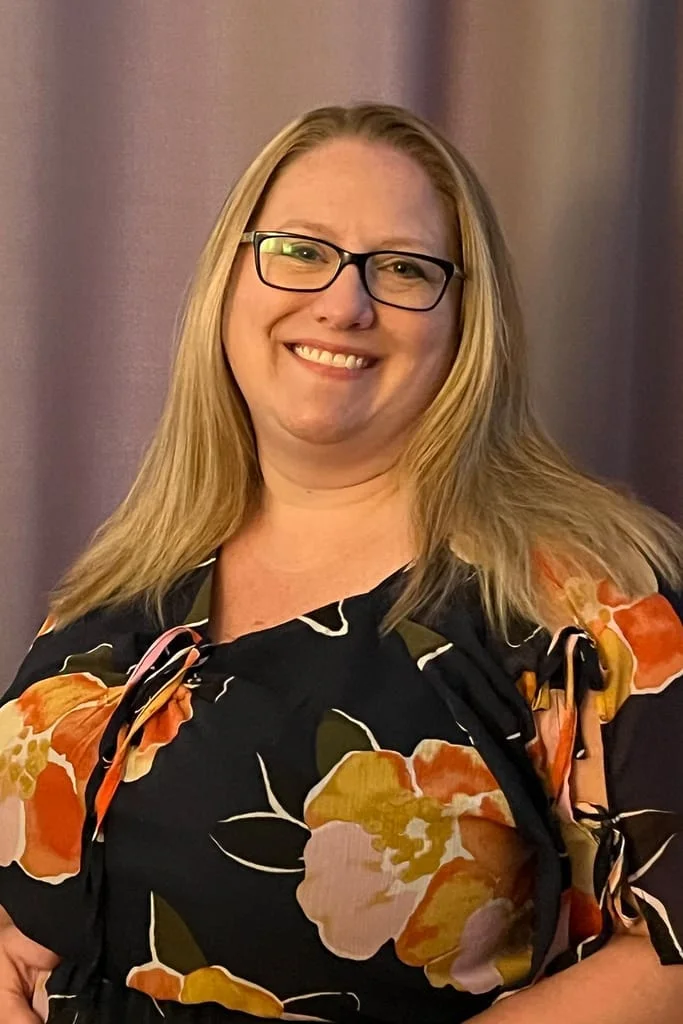 Dr. Jaime Marietti-Straley
Dr. Jaime Straley grew up in Pittsburgh, Pa.
She is a 2002 graduate from Gannon University, located in Erie Pa, with a Bachelor of Science degree.
Dr. Jaime Straley graduated from Ross University School of Veterinary Medicine in 2006. She spent her clinical year at Purdue University College of Veterinary Medicine.
She has been working in small animal hospitals in Kent, Canton, and the Akron area since graduation.
In addition to working in small animal hospitals, she’s always volunteered for a variety of rescues and shelters.
Dr. Jaime has received awards for community support, animal care, and community service. She was also acknowledged for her contributions to veterinary medicine by the City of Stow.
She has a special interest in internal medicine, exotic animal medicine, fear-free medicine, and the veterinarian-client-patient bond.
Dr. Jaime lives in Kent with her husband, Jason, and son, Leo. She also has multiple four-legged children; Golden Retrievers, Peeta and Nell, Pit Bull, Mia, Dachshund, Hoss, and Chihuahuas, Dobby, Izzy, and Gypsy. She also has one cat, Tully, and turtle, Snapper.
In her free time, she likes to spend time with her family. She enjoys primitive camping, boating, traveling, family movie nights, attending Cleveland Guardian games, and being her sons #1 baseball fan.
Dr. Jaime is a member of the AVMA, Association of Shelter Veterinarians, Association of Exotic Mammal Veterinarian, and she is a Certified Fear Free Veterinarian.
-
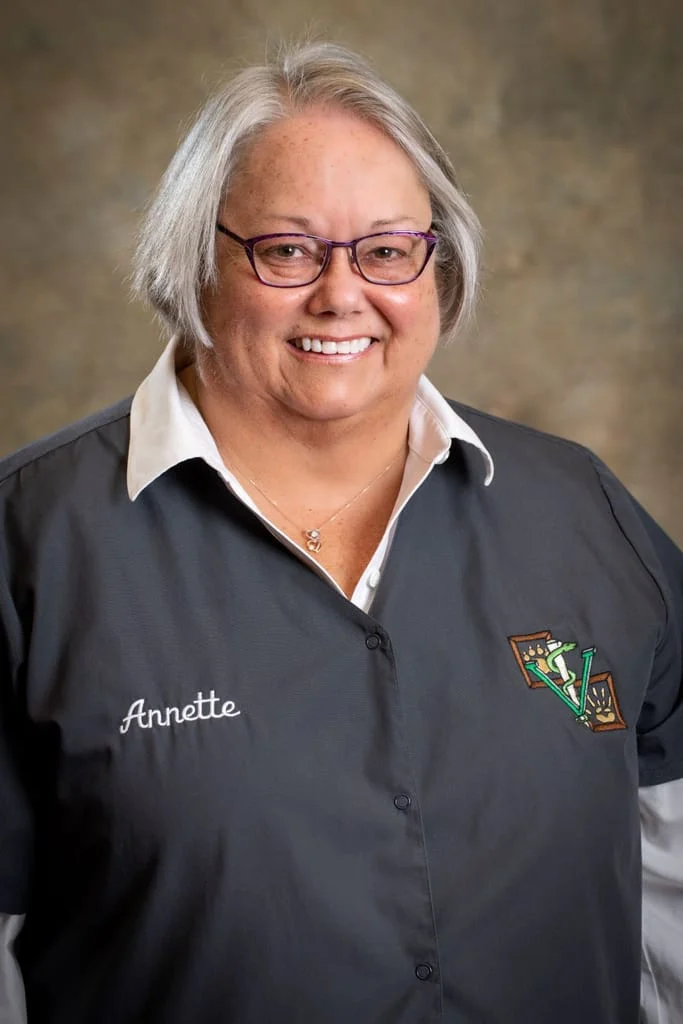 Annette S. Hennis
Annette S. Hennis is a 1974 graduate of Nordonia High School. She attended Baldwin-Wallace College where she earned her B.S. in Biology, minored in chemistry and psychology and met Mark S. Hennis. She wed Mark in 1981 as well as completing her M.S. in Molecular Genetics. She has been the Office Manager since 1982.
-
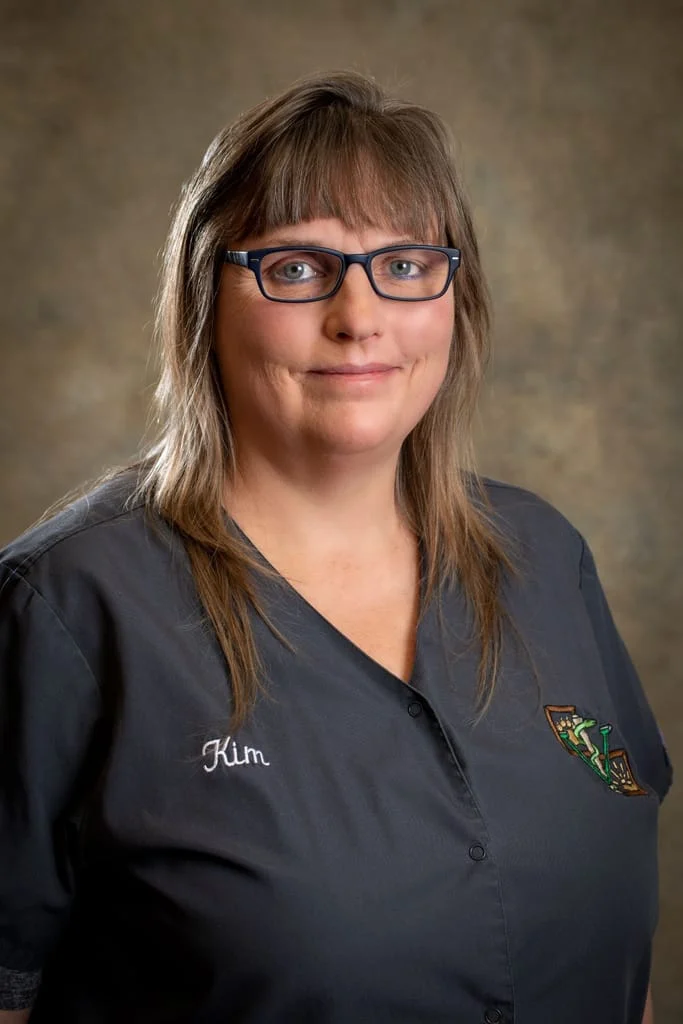 Kimberly A. Justice, R.V.T.
Kimberly Justice is licensed with the State of Ohio as Registered Veterinary Technician. She graduated from Columbus State Community College in 1999. Kim has also completed internships with The Ohio Wildlife Center and The Ohio State University, where she also completed advanced coursework in Equine Science and Zoology.
-
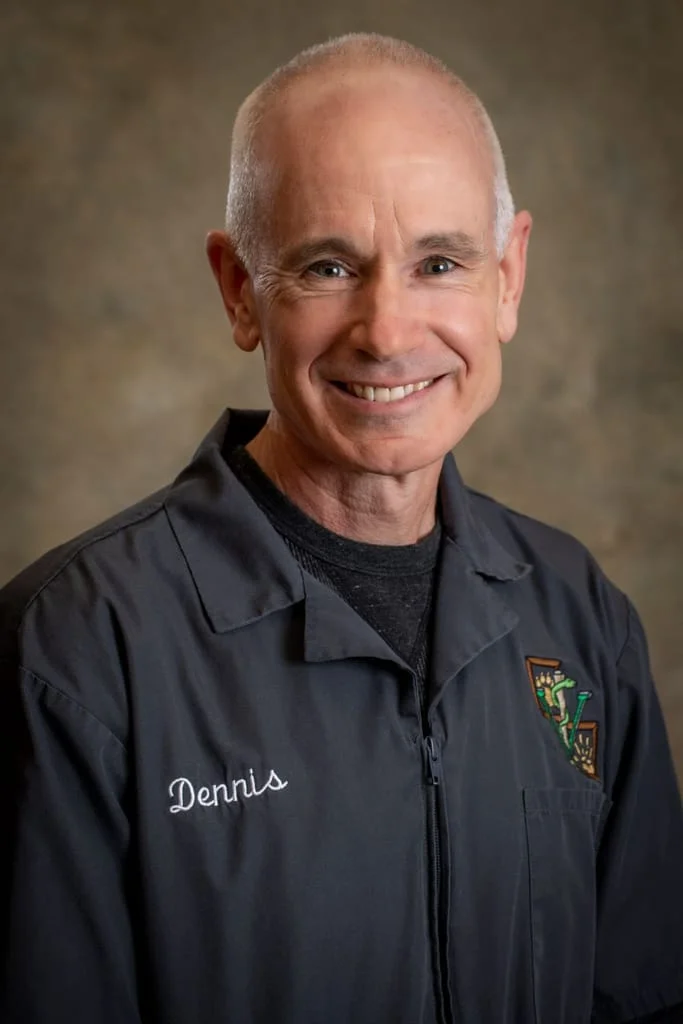 Dennis A. Peters, R.V.T.
In April 2009, he enrolled in the AVMA-accredited Veterinary Technology program at Stautzenberger College branch campus in Brecksville, Ohio. In two years of attending night classes while continuing to work full time at SHAH, he earned his Applied Science Degree in Veterinary Technology and is now a Registered Veterinary Technician.
-
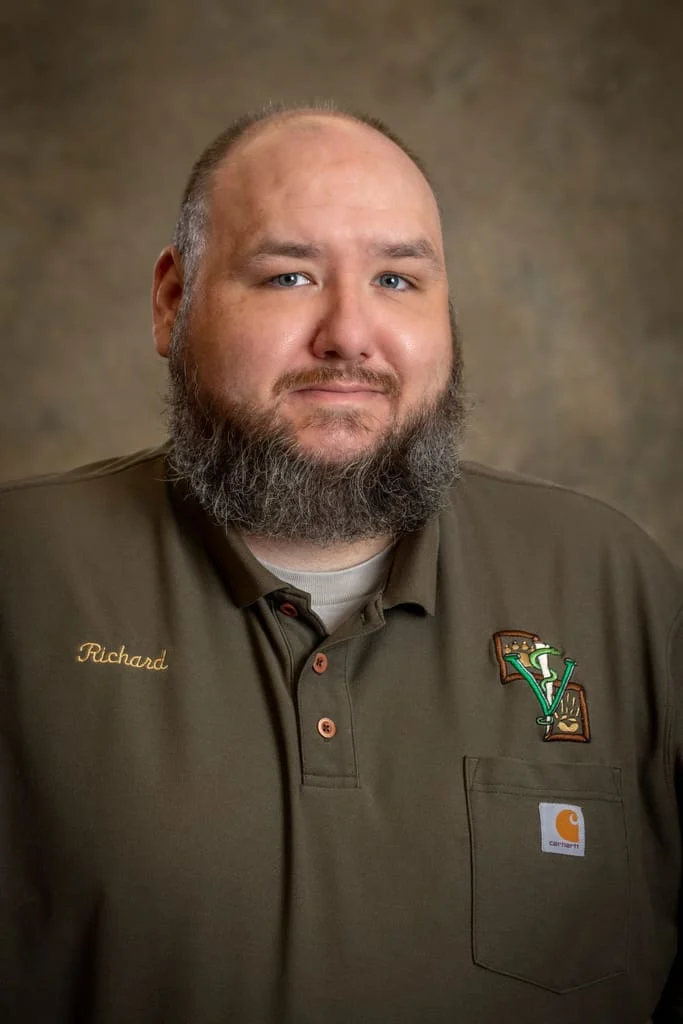 Richard S. Hennis, R.V.T.
Richard S. Hennis, R.V.T., graduated from Nordonia High School in 2002. He attended the Rochester Institute of Technology for two years and then the University of Akron. He graduated with a Veterinary Technician Applied Science Degree from Stautzenberger College in 2017. He is responsible for the creation and maintenance of the computer network at the Sagamore Hills Animal Hospital (SHAH).
-
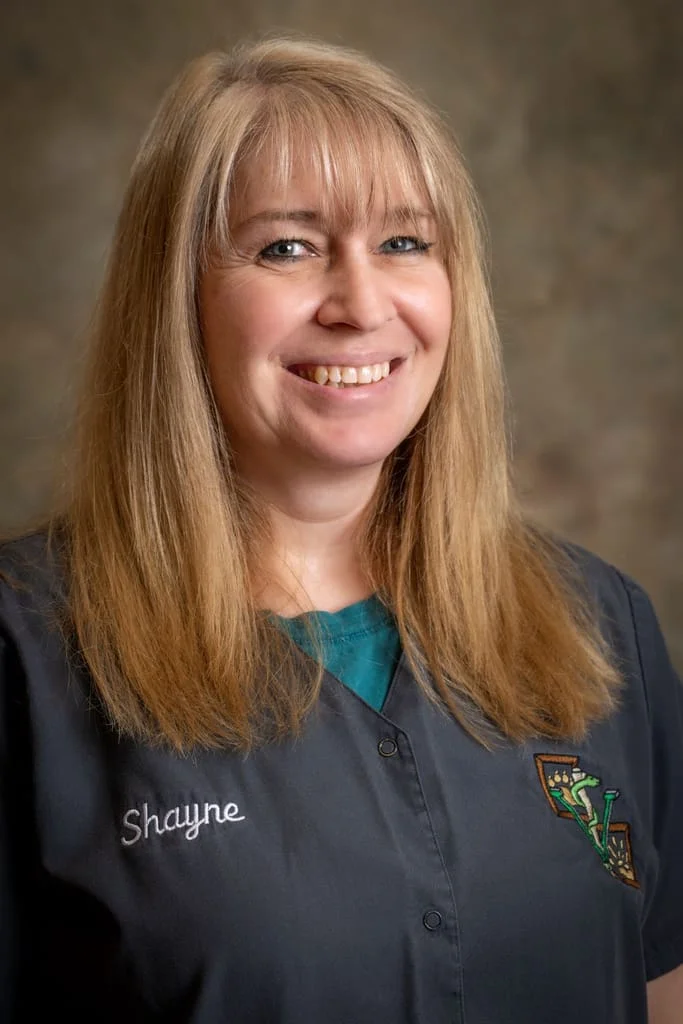 Shayne Jablonski, R.V.T.
Shayne is a 2014 graduate of Stautzenberger College with an Applied Science Degree in Veterinary Technology. She came to us in August of 2013 to fulfill occupational hours and has happily been here ever since! In March of 2015, she passed the board exam and is now a Registered Veterinary Technician (RVT).
-
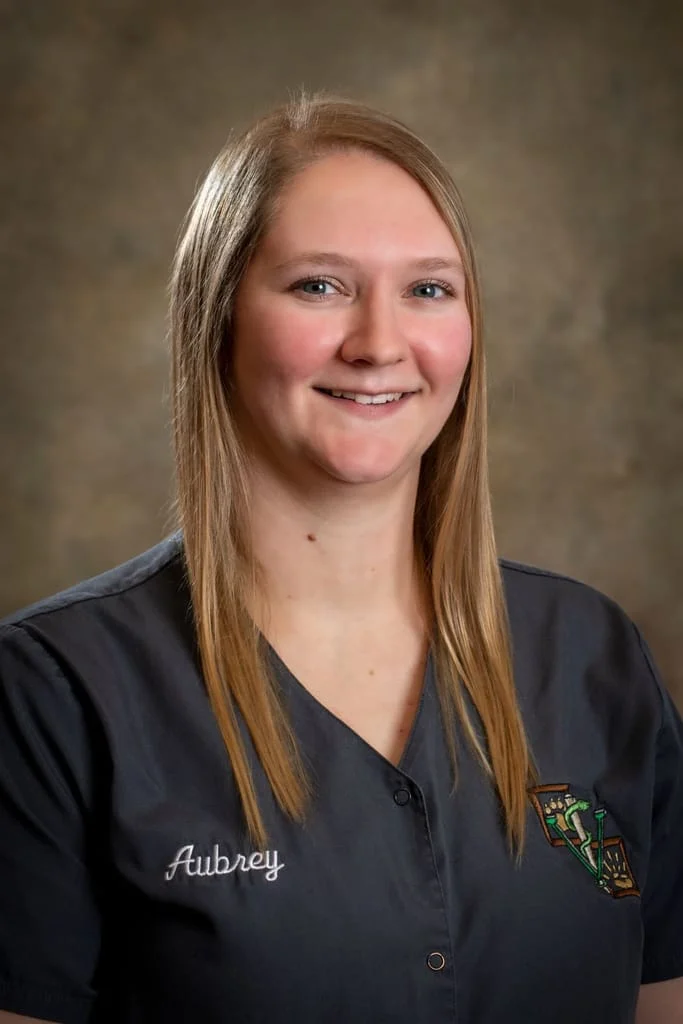 Aubrey Karam, R.V.T.
Aubrey started working at Sagamore Hills Animal Hospital in 2017. She attended the 2-year program at Stautzenberger College graduating with a degree of Applied Science in Veterinary Technology. In 2017 she proudly passed her VTNE becoming a Registered Veterinary Technician. While pursuing her degree she got to work at an alpaca farm and another animal hospital.
-
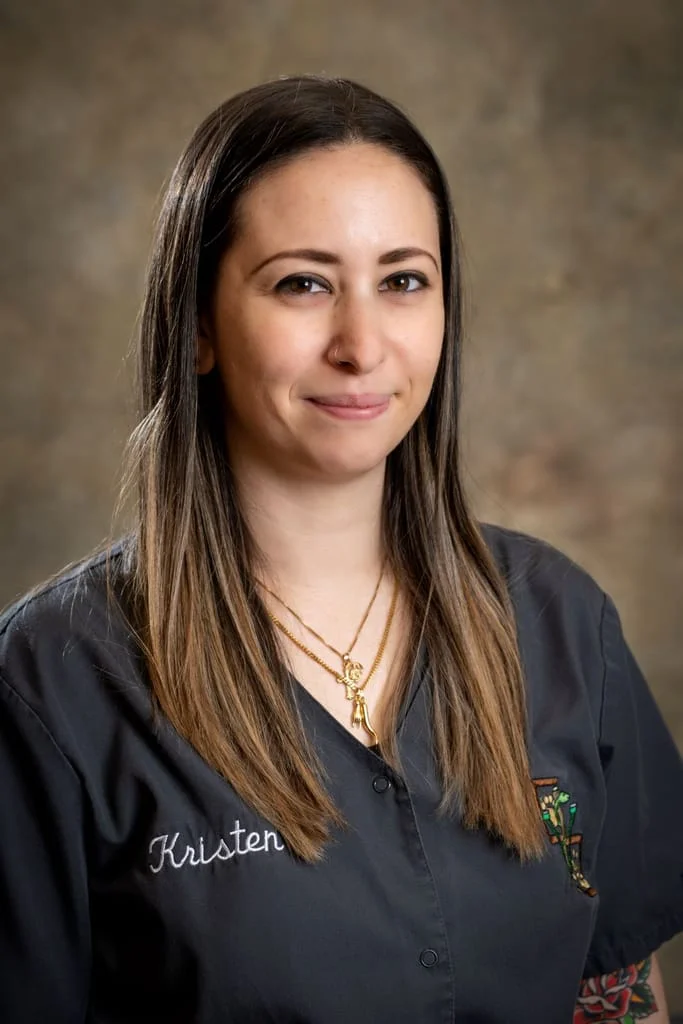 Kristen CampoSHAH Receptionist
Kristen joined Sagamore Hills Animal Hospital in 2018. If you have called, emailed, or come here since then you’ve probably met or talked to her at the front desk. She started working in the field in 2013 and switched clinics to be closer to home. At home Kristen spends time with her husband and young daughter. She is a huge football fan and loves cheering on the Browns at every home game when possible. They have three beloved cats Haden, Nala, and Lily.
-
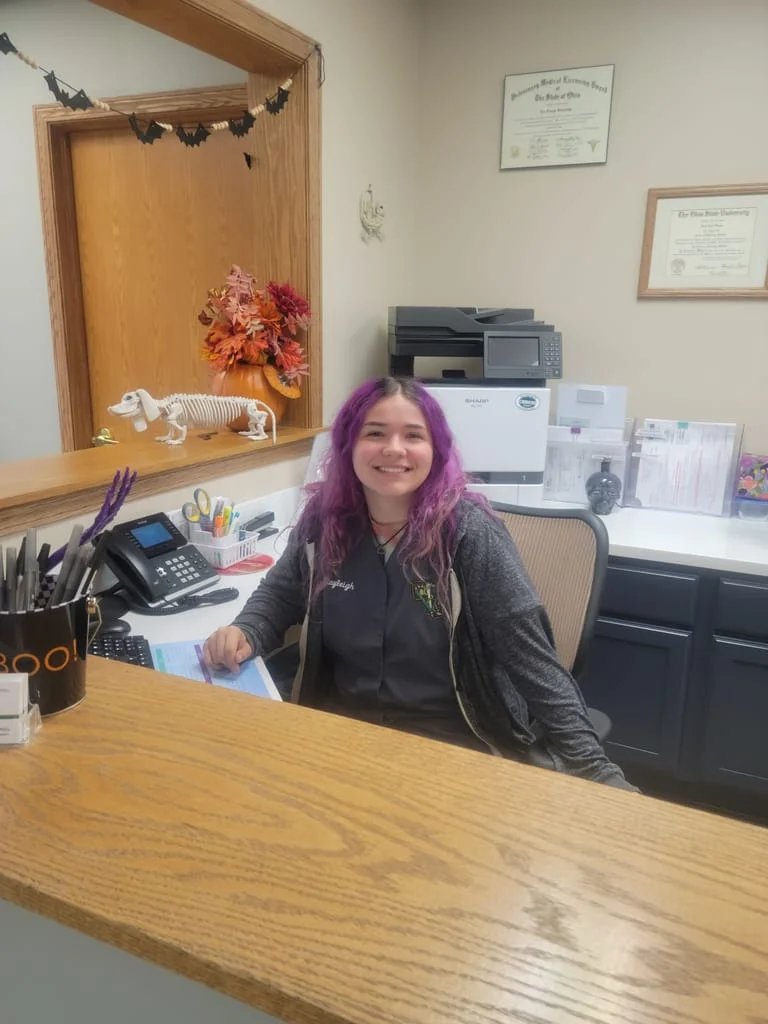
Visit Our Online Pharmacy
At Sagamore Hills Animal Hospital, we treat your pets like the valued family members they are.
Dr. Mark S. Hennis | Dr. Jaime Marietti-Straley | Sagamore Hills Veterinarian | Sagamore Hills Animal Hospital | 330-468-2900
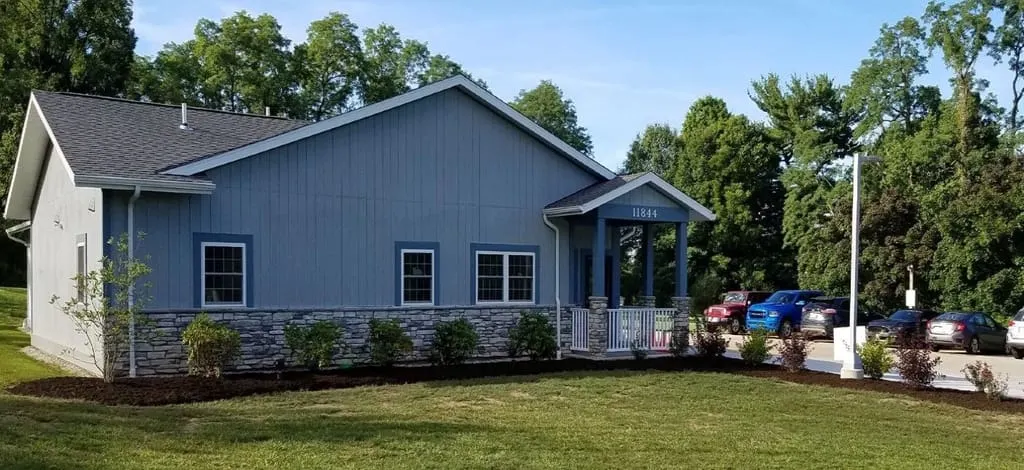
11844 Valley View Road Sagamore Hills, OH 44067-1048
Contact Us
Location
Primary Location
11844 Valley View Road
Sagamore Hills, OH 44067-1048, US
Hours of Operation
8:00 am - 6:00 pm
8:00 am - 6:00 pm
8:00 am - 6:00 pm
8:00 am - 6:00 pm
8:00 am - 6:00 pm
Closed
Closed
